
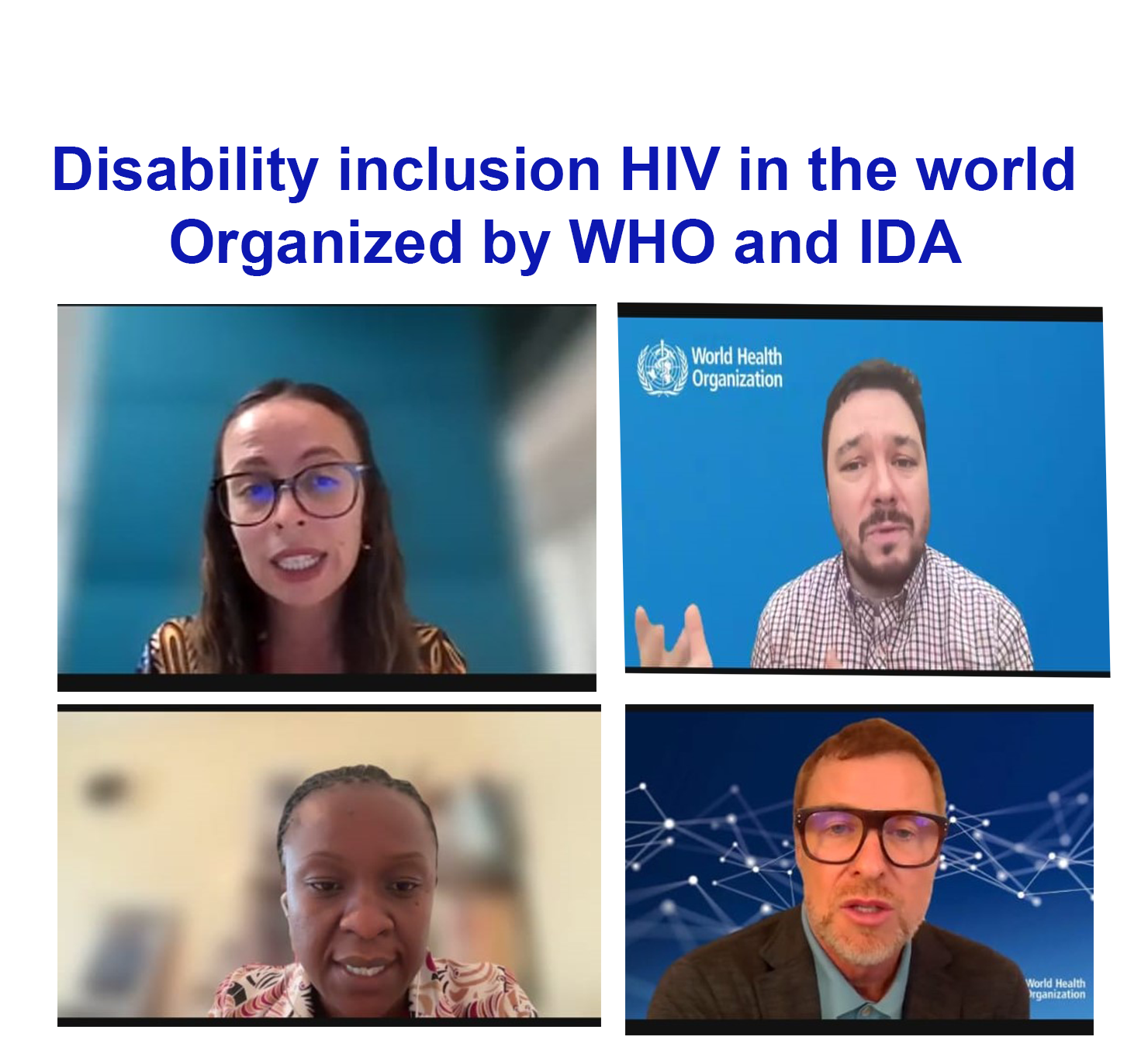
SDN Somali Disability Network participated in a virtual meeting on disability inclusion in HIV and AIDS care held on 26 February 2026. The meeting was organized by the World Health Organization and the International Disability Alliance.
WHO-IDA webinar titled Breaking Barriers: Advancing Health Equity for Persons with Disabilities in HIV Care and Treatment. The webinar addressed the challenges faced by persons with disabilities living with HIV. It brought together many advocates and stakeholders working to promote the rights and inclusion of persons with disabilities in health care
The main objective was to strengthen awareness and promote inclusive strategies to ensure that persons with disabilities fully access HIV prevention, care, treatment, and protection services.
The meeting featured the story “Stigma and Intersecting Vulnerabilities” presented by Rainbow Disability Nepal, an organization working to support and protect persons with disabilities, particularly queer persons with disabilities.
The organization conducts awareness campaigns and advocacy initiatives and provides HIV case support, care, treatment, and shelter services within its operational areas. Their presentation highlighted how stigma and multiple layers of vulnerability affect persons with disabilities living with HIV.
The case of KwaZulu-Natal in South Africa was also discussed, where local partners provide development support, care, and treatment for persons with disabilities affected by HIV.
It was emphasized that awareness and advocacy are essential to fight stigma, while access to care and treatment is critical for the survival of HIV patients. South Africa’s National Strategic Plan on HIV, TB, and STIs (2013–2028) promotes disability inclusion to ensure that persons with disabilities are not left behind.
Finally, the meeting recognized that disability is a cross-cutting issue across all sectors. A three-track approach to disability inclusion was highlighted: disability-specific interventions, disability-inclusive mainstream approaches, and strong political will.
Persons with disabilities are often excluded and neglected in the HIV care cascade; therefore, disability inclusion meetings and integrated care systems are necessary to achieve global HIV targets.
The World Health Organization raised concerns about the increasing number of persons with disabilities living with HIV and the limited global awareness on protection and care.
The International Disability Alliance emphasized the importance of disability-inclusive HIV programs worldwide and thanked participants for their valuable contributions.
